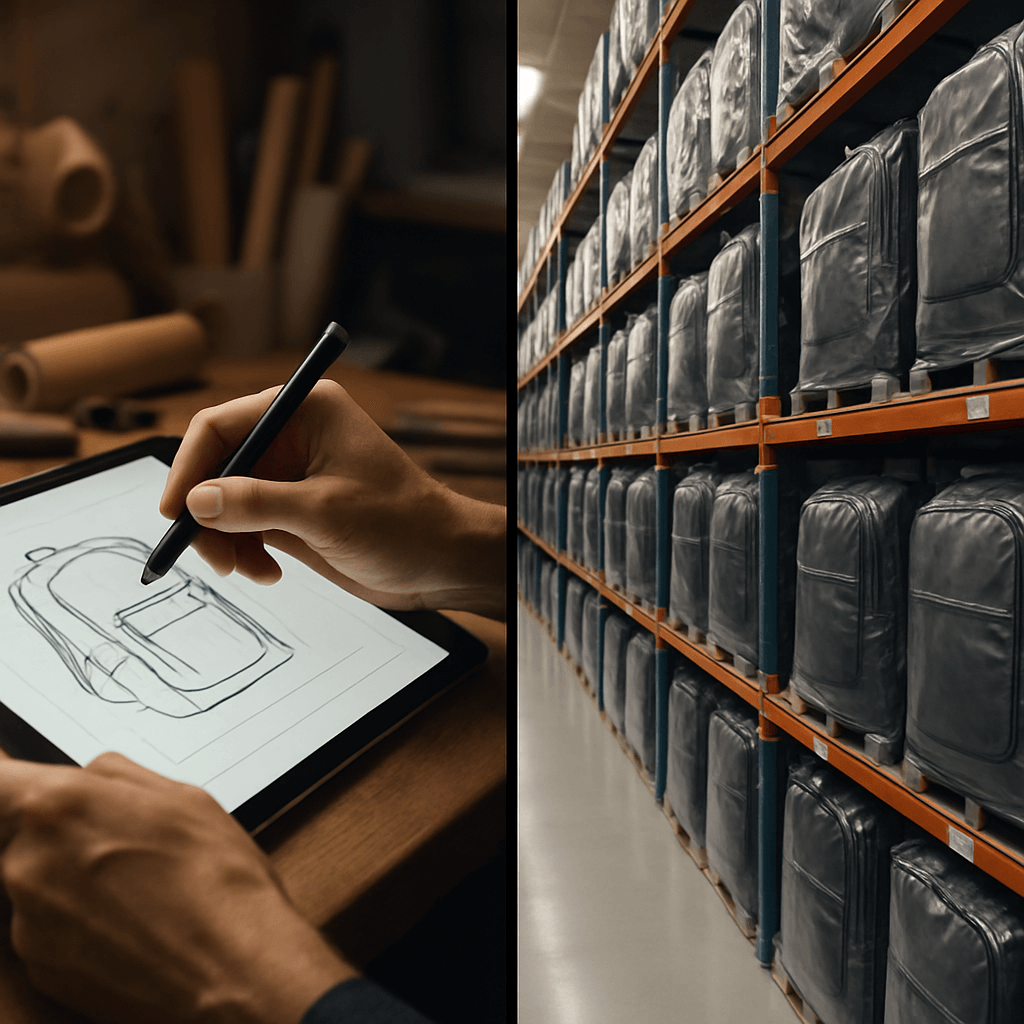
When launching or expanding a product line, one of the first major decisions you’ll face is how to source your products. For backpacks, this choice typically boils down to two fundamental paths: creating a fully custom bag from scratch or selecting a ready-made stock model.
Both options have distinct advantages and are suited for different business goals, timelines, and budgets. As a manufacturing partner with over 16 years of experience, we’ve guided hundreds of brands through this exact decision.
This guide will break down the pros and cons of both custom (OEM/ODM) and stock backpacks to help you make the most informed choice for your brand’s success.
The Appeal of Stock Backpacks: Speed and Simplicity
Stock backpacks (also known as “ready-to-ship” or “wholesale” bags) are pre-designed, pre-manufactured products that are held in inventory. Customization is typically limited to adding your logo via screen printing, embroidery, or a patch.
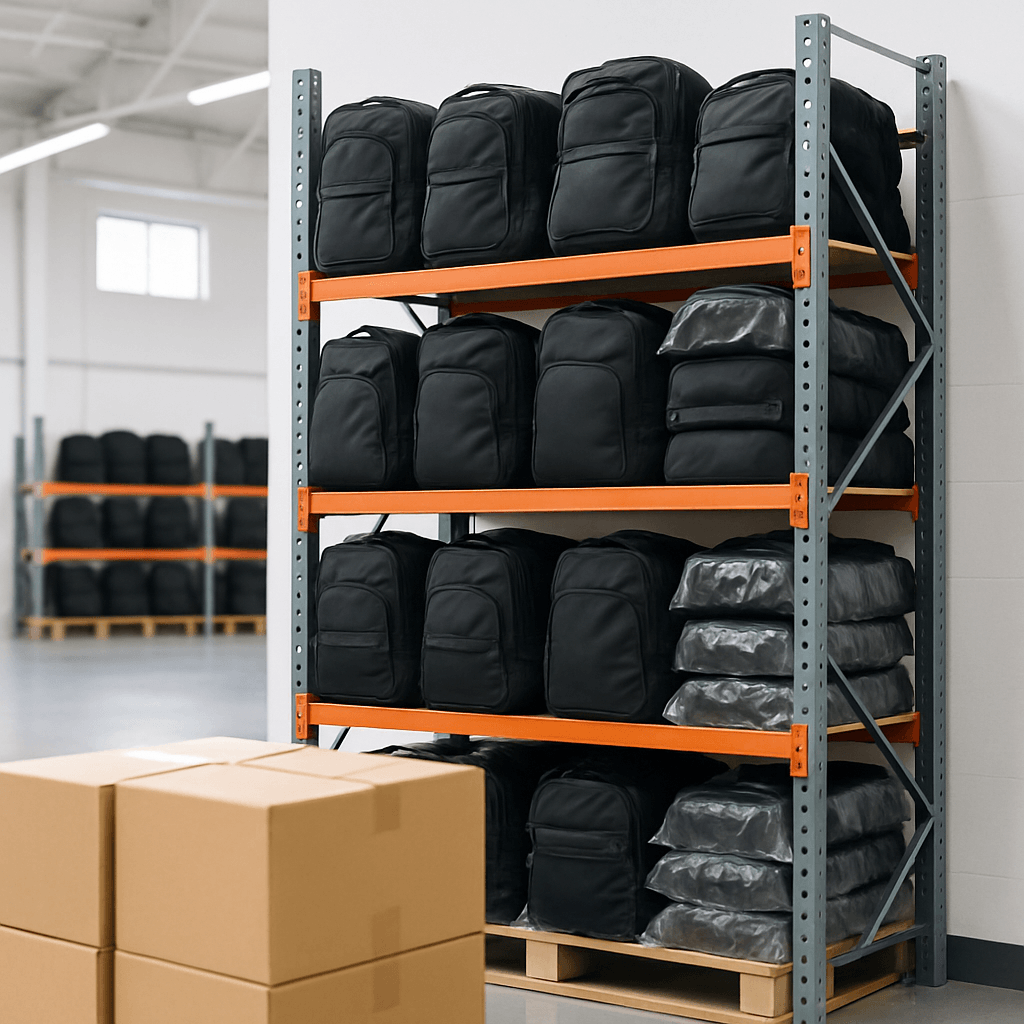
This path is best for:
- Promotional Events & Corporate Giveaways: When you need a large quantity of branded items quickly for a trade show, conference, or employee gift.
- Startups with Limited Budgets: A lower-risk way to test the market with a smaller initial investment.
- Urgent Deadlines: When you have a retail opportunity or a marketing campaign that cannot wait for a long production cycle.
Advantages of Stock Bags:
- 🚀 Speed: This is the biggest benefit. Since the bags are already produced, the turnaround time from order to delivery can be a matter of weeks, not months.
- 💰 Lower Cost & MOQ: The manufacturer produces these models in massive quantities, leading to a lower per-unit cost. The Minimum Order Quantity (MOQ) is also significantly lower, reducing your initial financial commitment.
- ✅ Proven Designs: Stock models are often popular, market-tested designs, reducing the risk of choosing a style that won’t sell.
Limitations of Stock Bags:
- Limited Uniqueness: Your competitors can easily source the exact same bag from the same or a different supplier. Your brand differentiation is limited solely to your logo.
- Restricted Customization: You cannot change the materials, colors, zippers, or internal layout. What you see is what you get.
- Generic Fit: The bag was not designed with your specific target customer in mind, so its features may not be a perfect match for their needs.
The Power of Custom Backpacks: A True Brand Statement
Custom manufacturing (OEM/ODM) is the process of building a backpack from the ground up, tailored to your exact specifications. Every element—from the fabric and stitching to the pocket layout and zipper pulls—is chosen by you.
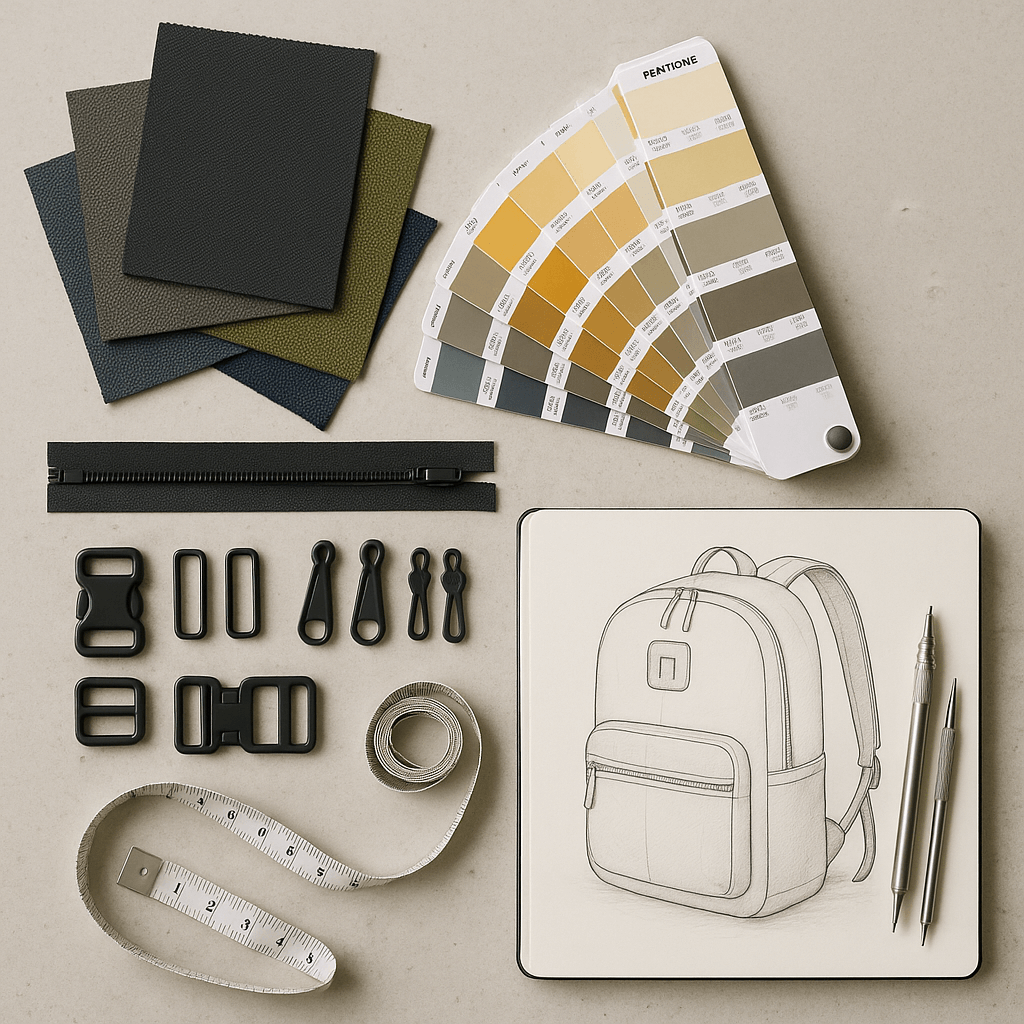
This path is best for:
- Established Brands: Brands looking to create a signature product that aligns perfectly with their identity.
- Niche Markets: When you need to solve a specific problem for a unique audience (e.g., a bag for drone pilots, a backpack for urban cyclists).
- Long-Term Retail Goals: For building a core product line where quality, function, and brand story are paramount.
Advantages of Custom Bags:
- 🏆 Complete Brand Alignment: The final product is a pure expression of your brand’s vision, quality standards, and aesthetic.
- 💡 Unique Competitive Advantage: You create a one-of-a-kind product that no competitor can replicate, allowing you to stand out in a crowded market.
- 🔧 Tailored Functionality: You can design every feature to meet the real-world needs of your customers, creating a product they will love and recommend.
- 🔬 Control Over Quality: You have the final say on every material and component, ensuring the quality meets your brand’s promise.
Limitations of Custom Bags:
- ⏳ Longer Lead Times: The process involves design, material sourcing, sampling, and mass production, which typically takes several months.
- 💸 Higher Investment & MOQ: Developing a unique product requires a larger MOQ and often involves initial costs for molds and samples.
- 🤝 More Involvement Required: This is a collaborative process that requires your input and feedback at every stage, from design to sample approval.
At a Glance: Custom vs. Stock
| Feature | Stock Backpacks (Wholesale) | Custom Backpacks (OEM/ODM) |
|---|---|---|
| Speed | Fast (Weeks) | Slow (Months) |
| Cost Per Unit | Lower | Higher |
| MOQ | Low | High |
| Uniqueness | Low (Shared design) | High (Exclusive to your brand) |
| Customization | Logo application only | Total (Fabric, color, features, etc.) |
| Best For | Promotions, tight budgets, speed | Core product lines, brand building |
Conclusion: Which Path Should You Choose?
There is no single “best” answer. The right choice depends entirely on your business objectives.
- Choose Stock if your primary concerns are speed, a low initial investment, and fulfilling an immediate need like a promotional event.
- Choose Custom if your goal is to build a long-term brand, create a unique product with a competitive edge, and solve specific problems for your target audience.
As your manufacturing partner, our role is to facilitate your vision, whichever path you choose. We can provide you with high-quality, ready-to-brand stock options for your urgent needs, or we can engage our expert design and development team to build your unique, custom backpack from a simple idea.
Ready to start the conversation?